Introduction
Today we disscuss AI in Retail Enhancing Customer ExperiencesThe retail industry has undergone a transformation in recent years as more AI solutions have been introduced to the men and women who spend their days on the sales floor.
Your knowledge is based on data until October 2023 artificial intelligence (AI) solutions are transforming retailer services with personalization, enhancing processes through application, which adds value to decision-making.
Read on for an overview of how AI improves customer experiences in retail, which is critical in an increasingly competitive landscape today.
Understanding AI in Retail
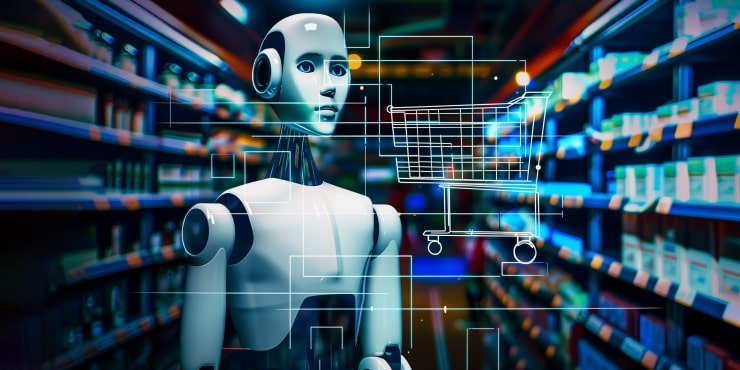
Artificial Intelligence (AI) is a collection of technologies that allow machines to perform tasks that would normally require human intelligence. The first points of artificial intelligence in retail include machine learning, natural language processing and computer vision.
As a result, retailers can process large amounts of data through these technologies, which helps in gaining insights about customers, along with generating more effective strategies to cater consumer demands.
Why Customer Experience Matters
Customer experience is everything in retail! Providing an excellent shopping experience can make a brand stand out in a highly competitive market. Developing customer engangement solutions Customer engagement solutions are bettering enhanced by personalizing experiences, streamlining transactions, and enabling personalized recommendations, leading to increased customer satisfaction and loyalty.
Data Analysis for Personalization
AI in retail may provide many useful advantages when its potentials are utilized. Retailers can harness purchase history, browsing patterns, and preferences to create highly individualized experiences. They make recommendations on products that suit individual tastes, creating a shopping experience to be enjoyed.
Chatbots and Customer Support
The use of chatbots in the retail sector has increased in popularity as AI powered customer support solutions. These virtual assistants provide immediate answers to customer questions, assist in product searches, and track orders. Chatbots assist in improving customer experiences and enable human agents to redirect their focus on higher priority and complex issues by providing support 24/7.
Business News, IOT, Mobiles, Gadgets, Internet Desktop.
One powerful application of AI is predictive analytics that helps personal shoppers anticipate customer needs. With the ability to analyze large datasets and recognize patterns within them, AI can forecast future buying behaviors and trends. This way, based on trends, retailers can stock their goods and promote marketing techniques to optimize their sales.
Optimizing Inventory Management
Managing your inventory effectively is the determinant of retail success. AI can analyze your sales data and market trends to determine optimum stock levels and minimize excess inventory. In doing so, retailers can improve customer experience through provision as well as reduce waste by keeping stock levels of popular products in levels that are always available.
Visual Search Technology
Visual search technology is one of the innovative ways that AI improves the shopping experience. This feature allows customers to upload images of desired products which is entered into the system to find similar items available in the retailer’s inventory. Training on Product недавно launched a data-driven text model by applying multiple algorithms and enabling intuitive browsing to bring products closer to customers whenever possible.
AI-Powered Marketing Strategies
In retail, AI is a game changer for marketing campaigns that can be ultra-targeted. Retailers use big data analytics to understand their consumers behavior and preferences to have better segmentations of them, which helps them to create personalized messages that resonate with the audience. In that way, you drive sales and improve customer loyalty thanks to better conversion and engagement rates.
Augmenting in-store experiences
This is not online shopping but there is a new in-store experience being developed using AI. Augmented reality applications, from smart mirrors to AR solutions, enable customers to visualize products in real time. Handshake delivery and Unmanned Areal Vehicles (UAVs or drones) are now available for customers as well, introducing the most innovative way to shop for goods and receive the product that one has ordered.
Optimising Checkout Experiences
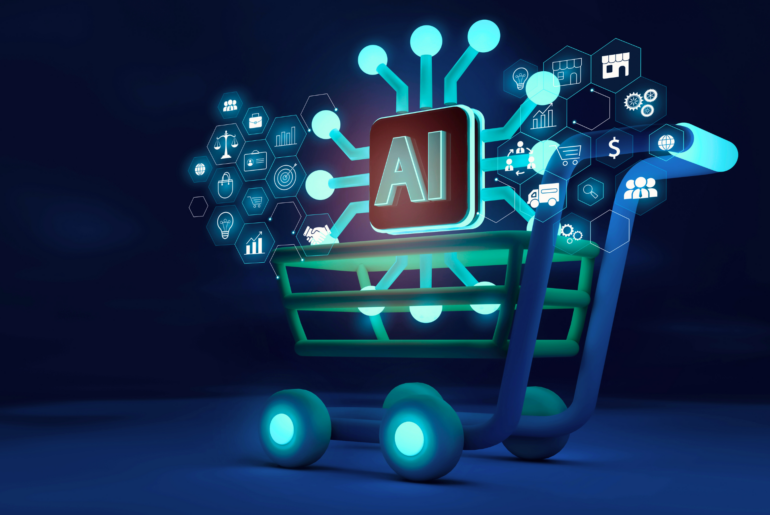
Automating Various Aspects of the Checkout Process These advanced systems facilitate mobile payments, self-checkout kiosks, and cashier-less stores, all of which minimize waiting times and improve the overall shopping experience. Reduce Shopping Cart Abandonment With a Frictionless Checkout Process Frictionless checkout is essential to ensure customer satisfaction and influence the frequency of cvisit.
Fraud Prevention and Detection
Retail is a top priority for security because of how it detects and prevents fraud using AI. Artificial intelligence algorithms can scan through millions of transactions and detect red flags in real-time by examining transaction data. By strengthening their security protocols, they create a secure space for both consumers and businesses that promotes a faith in their digitized marketplaces.
Customer Feedback Analysis
AI can also analyze customer feedback across multiple channels, such as reviews, surveys, and social media. Retailers can gain valuable insights from customers sentiment and areas of improvement by analyzing this data. Data collected through customer feedback and reviews lets businesses know what customers think and feel and this leads to better decision-making and overall improvements.
AI in Retail
In the world of multi-channel retailing, consumers demand a consistent experience across all channels. AI empowers retailers to implement successful omnichannel strategies that integrate online and offline interactions. Understanding customer interactions through different channels enables retailers to validate messaging and provide enhanced customer experience.
Enhanced Augmented Reality Shopping Experiences
Artificial intelligence in retail also has a great application in the form of augmented reality (AR). Because of AR technology, Customers can see products through their own eyes before purchasing. Your preparation for the real-time scenario contributes to good decisions and minimizes return perceptions, which is a good outcome for customers and retailers.
Supply Chain Optimization
Recruitment Automating processes of supply chain management with AI in retail AI optimizes the supply chain operations by analyzing data regarding demand, logistics, and inventory. This streamlining leads to timely and cost-effective delivery of products, improving customer experience with more dependable service.
The Role of Machine Learning
While AI encompasses all those aspects, machine learning takes care of the ability to learn from data over time. Machine learning algorithms can also be used in the retail industry to continuously optimize retailer strategy through the analysis of consumer behavior and preference trends. Training with data until October 2023 ensures you stay updated with the latest trends and developments.
Creating Customer Loyalty Programs
By providing insights into customer behaviors and preferences, AI can be used to improve customer loyalty programs. Using data analytics, retailers can develop customized rewards and incentives for individual customers. Such personalization helps to build loyalty and drive repeat business.
The Future of AI in Retail
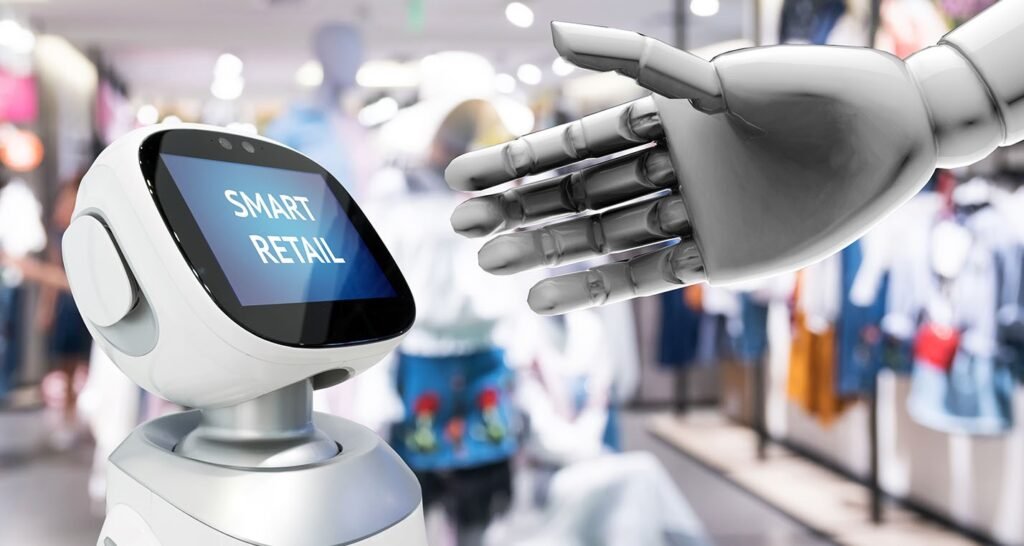
With the growing demand and future of AI in retail, technology is constantly evolved. As artificial intelligence evolves further, new tools and applications will be continuously available to improve the customer experience in your retailers. From advanced personalization to new-age shopping technologies, the scope for AI to impact retail is limitless.
Challenges in Implementing AI
While there are many benefits, the use of AI in retail also has some challenges. To ensure proper usage of AI, it is important to address issues like data privacy, algorithm bias and the need for human oversight. As retailers embrace AI addled solutions these challenges will require a constant vigilance and adjustment.
Conclusion
In final notes, Artificial Intelligence is revolutionizing retail, making great strides in personalization, operations, and processes to improve customer experience. However, despite being forced to adapt in the face of innovation, AI continues to provide retailers with the tools needed to better comprehend and fulfill consumer demand.
Harnessing AI not only maximizes efficiency but also generates customer loyalty, ensuring retail businesses thrive in a competitive landscape. The embrace of AI is not a trend; it will soon be essential to the future of retail.